Key points
- Massive data centers in Southeast Asia exploited a gap in U.S. sanctions.
- These facilities provided crucial computing power for Chinese companies.
- The setup served as a cover for alleged chip smuggling.
A Wall Street Journal report outlines how Jensen Huang built a multibillion-dollar business that allowed Chinese companies to access Nvidia AI chips through data centers in Southeast Asia. The publication states this arrangement exploited a gap in U.S. sanctions.A report says Chinese firms got Nvidia chips by using Southeast Asian data centers to bypass US rules.
The claim
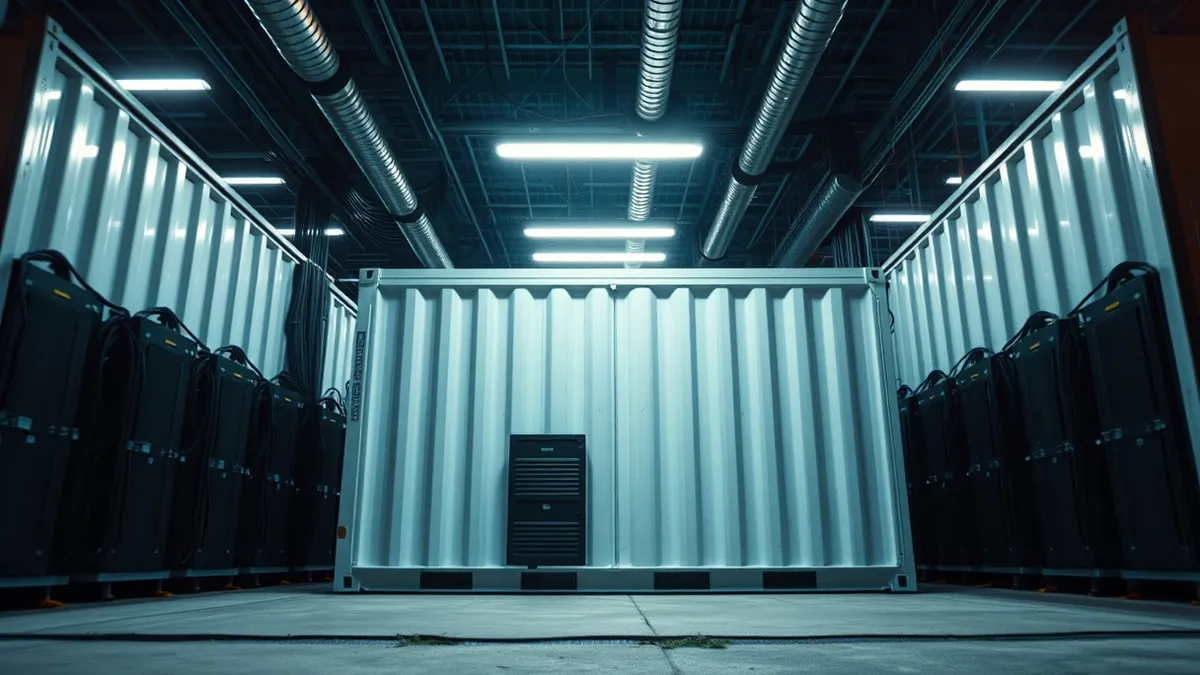
according to the published report, massive data centers in Southeast Asia provided crucial computing power for Chinese companies.reported According to the outlet, these facilities exploited a gap in U.S. sanctions.reported The report further claims the data centers served as a cover for alleged chip smuggling.
Evidence: reported
How Jensen Huang built a multibillion-dollar business to let Chinese companies access Nvidia AI chips in SE Asian data centers, exploiting a gap in US sanctions (Wall Street Journal)aifleet-techmeme
Evidence: reported
How Jensen Huang built a multibillion-dollar business to let Chinese companies access Nvidia AI chips in SE Asian data centers, exploiting a gap in US sanctions (Wall Street Journal)aifleet-techmeme
The response
The source material does not contain any response from Nvidia, Jensen Huang, or U.S. officials regarding these specific allegations. No counterpoints or official statements addressing the claim of exploited sanctions gaps are included in the provided text.
Why this matters now
The Wall Street Journal’s reporting suggests that existing regulatory frameworks may have been circumvented by infrastructure located in Southeast Asia. This highlights potential vulnerabilities in how AI hardware restrictions are enforced across international borders.
What buyers should weigh
Enterprise IT buyers should consider the regulatory risks associated with sourcing AI chips through third-party regions. The report indicates that sanctions gaps can be exploited, potentially complicating compliance. Vendor choice may need to account for these geopolitical supply chain complexities.
Why it matters
- Compliance teams must evaluate whether Southeast Asian data center partners adhere to strict US sanction guidelines.
- Supply chain audits should verify the end-user of AI chips to prevent inadvertent involvement in alleged smuggling.
- Market position analysis must factor in potential regulatory crackdowns on cross-border chip access methods.
- Vendor selection strategies may require additional due diligence on partners operating in jurisdictions with sanction loopholes.
Topics: Nvidia, AI chips, US sanctions, Southeast Asia, supply chain
Updated
Ask the article
Local keyword search of this article; no generated answers.Did this article give you the evidence you needed?
Your choice stays on this device. No public tally.Terms in this story
Sanctions
Official orders to restrict trade or financial interactions with specific countries or entities.
Data centers
Facilities used by organizations to house computer systems and associated components.
AI chips
Specialized processors designed to accelerate artificial intelligence workloads.
Questions readers ask
How did Chinese companies access Nvidia chips according to the report?
according to the published report, they used massive data centers in Southeast Asia to exploit a gap in U.S. sanctions.
What role did Southeast Asian data centers play?
They provided crucial computing power for Chinese companies and served as a cover for alleged chip smuggling.
Did Nvidia comment on these allegations?
The provided source material does not include any comment or response from Nvidia or its executives.
Connected stories
Reading receipt
- Massive data centers in Southeast Asia exploited a gap in U.S. sanctions.
- These facilities provided crucial computing power for Chinese companies.
- The setup served as a cover for alleged chip smuggling.
Still open: What specific measures will regulators take to close the identified sanctions gap?
Still open: How many Chinese companies were involved in this alleged chip smuggling operation?